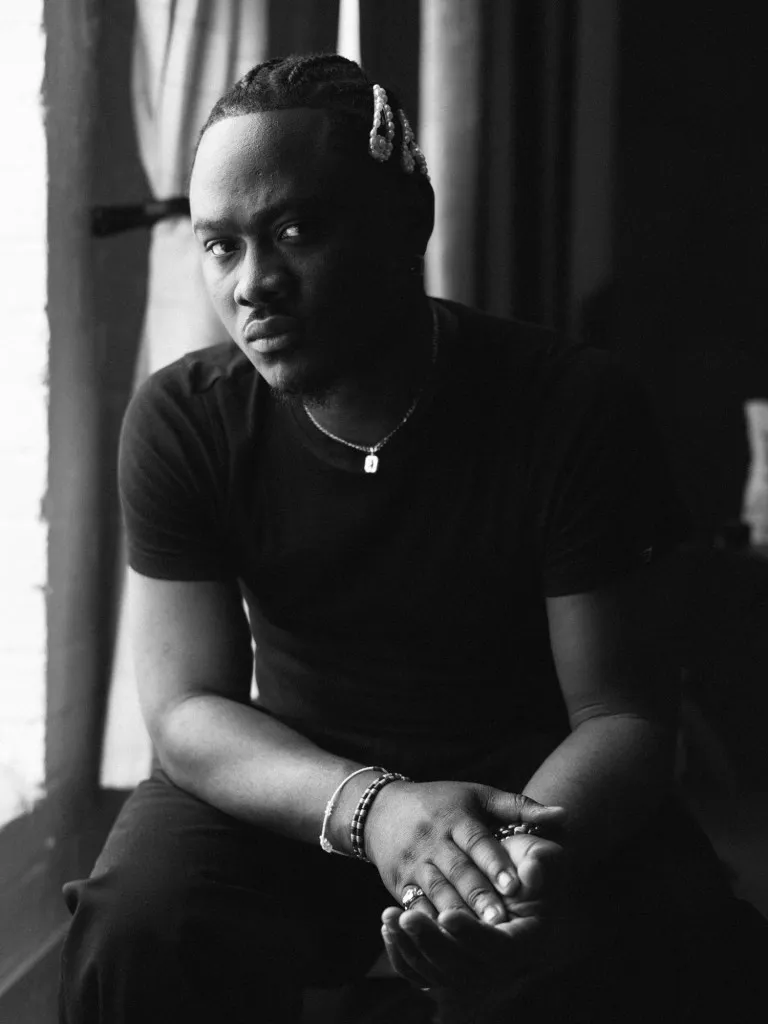
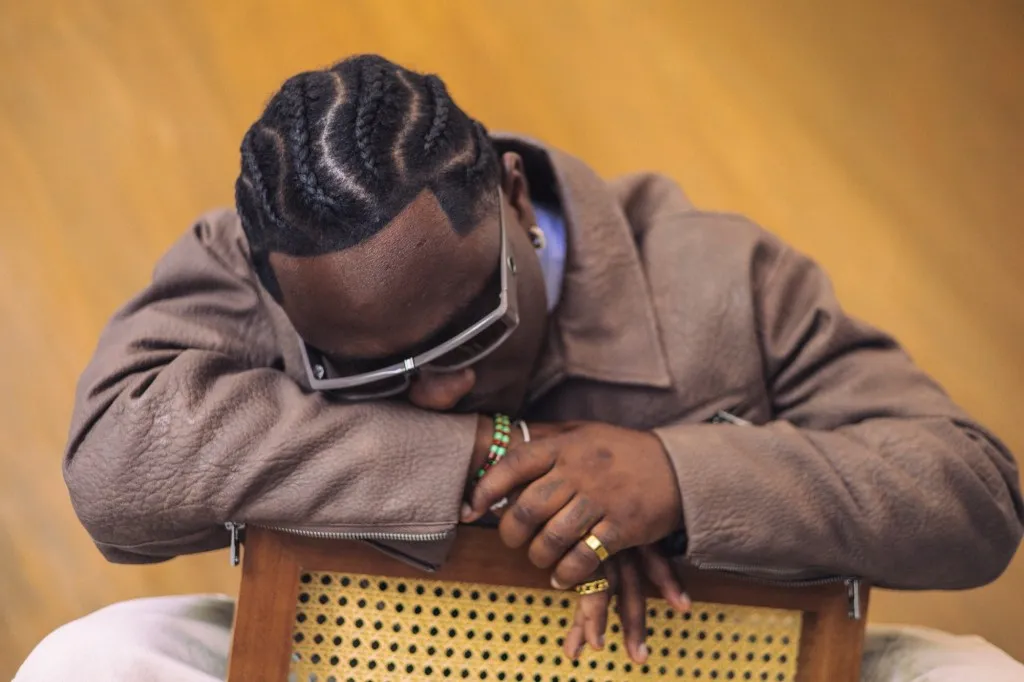
Charts / article / 2025-08-17T15:49:59+01:00 · RADARCharts by REM
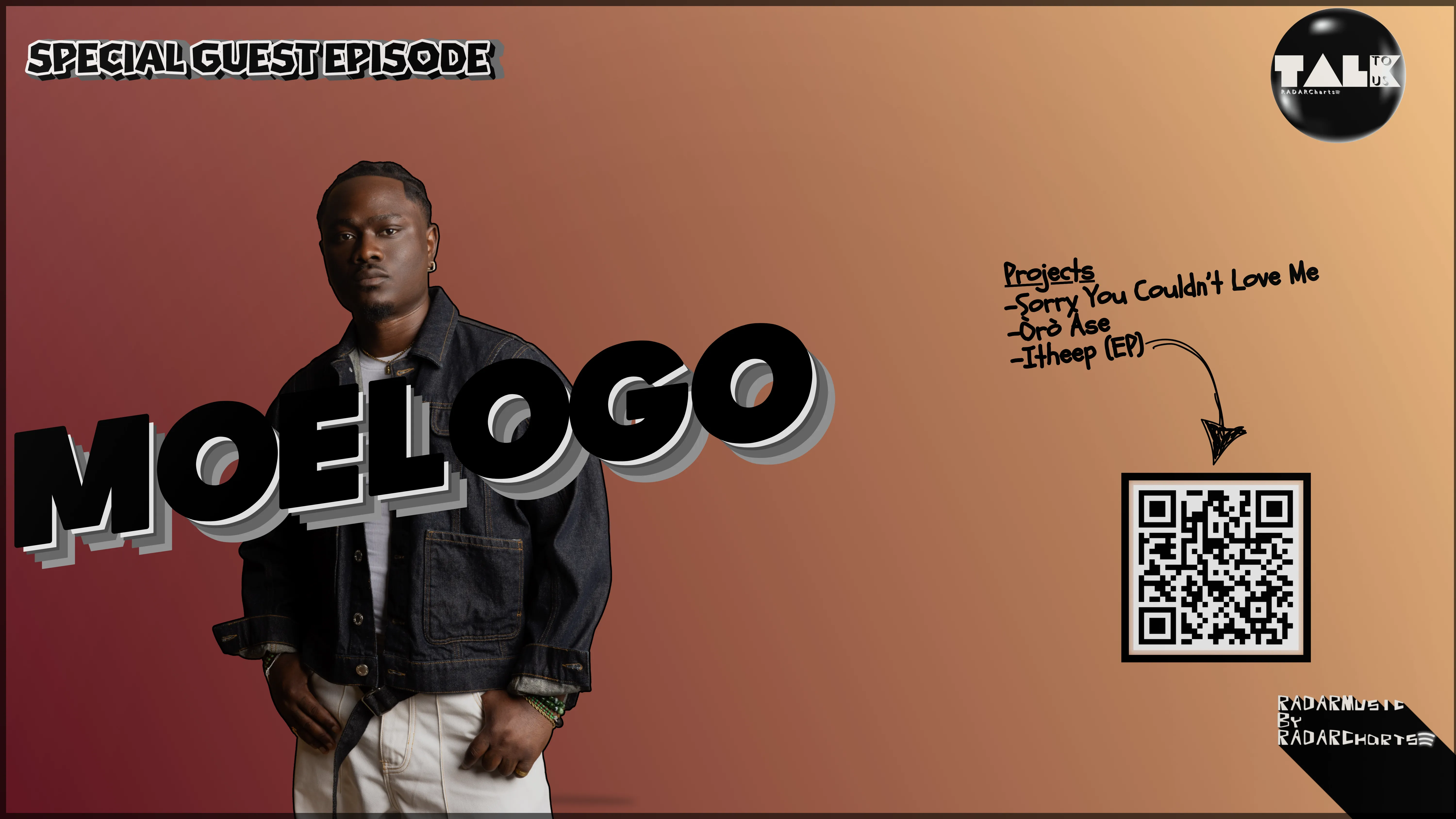
TALK TO US SPECIAL: MOELOGO.
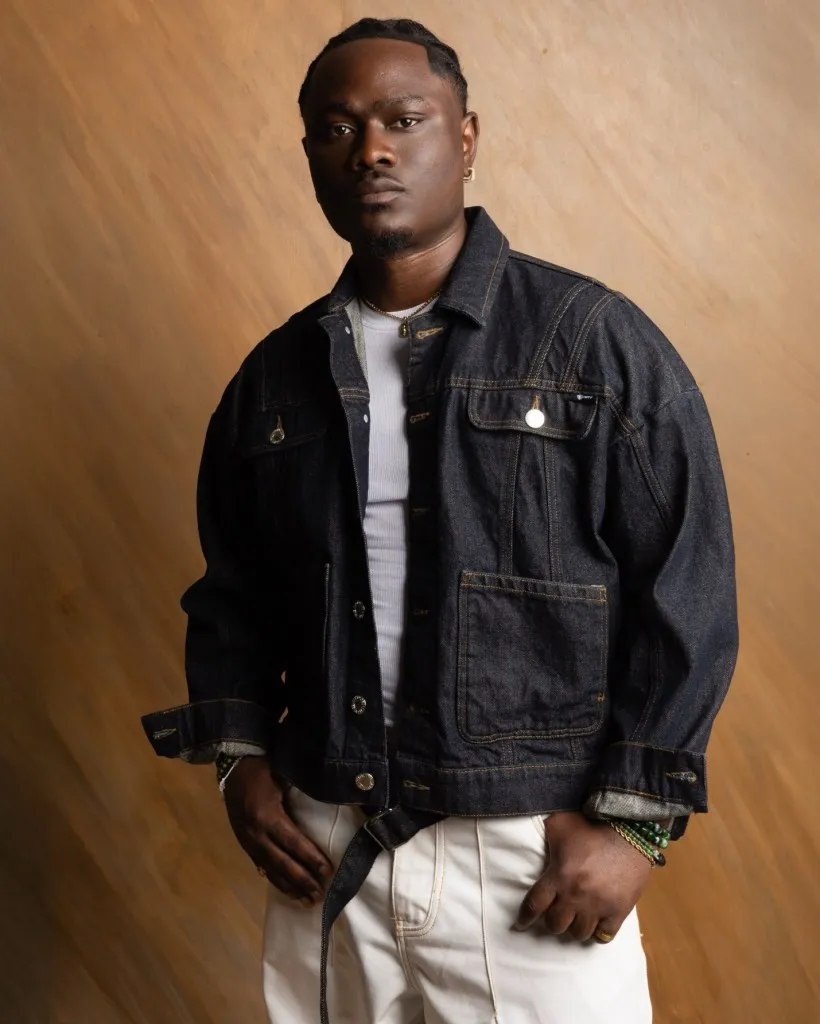
In this episode, MOELOGO discusses his unique sound, ‘Afro Healing,’ and shares how his Nigerian roots shape his music. He emphasizes music’s therapeutic power and his journey from singer-songwriter to sonic therapist, a
 TALK TO US SPECIAL: MOELOGO
The update
On this episode, we’re excited to chat with MOELOGO, an original talent bringing his unique sound called ‘Afro Healing’. You won’t want to miss it! Be sure to check out his track “SORRY YOU COULDN’T LOVE ME” in the meantime to get a taste of his incredible style. We can’t wait for you to hear this one!
WHERE HE COMES FROM
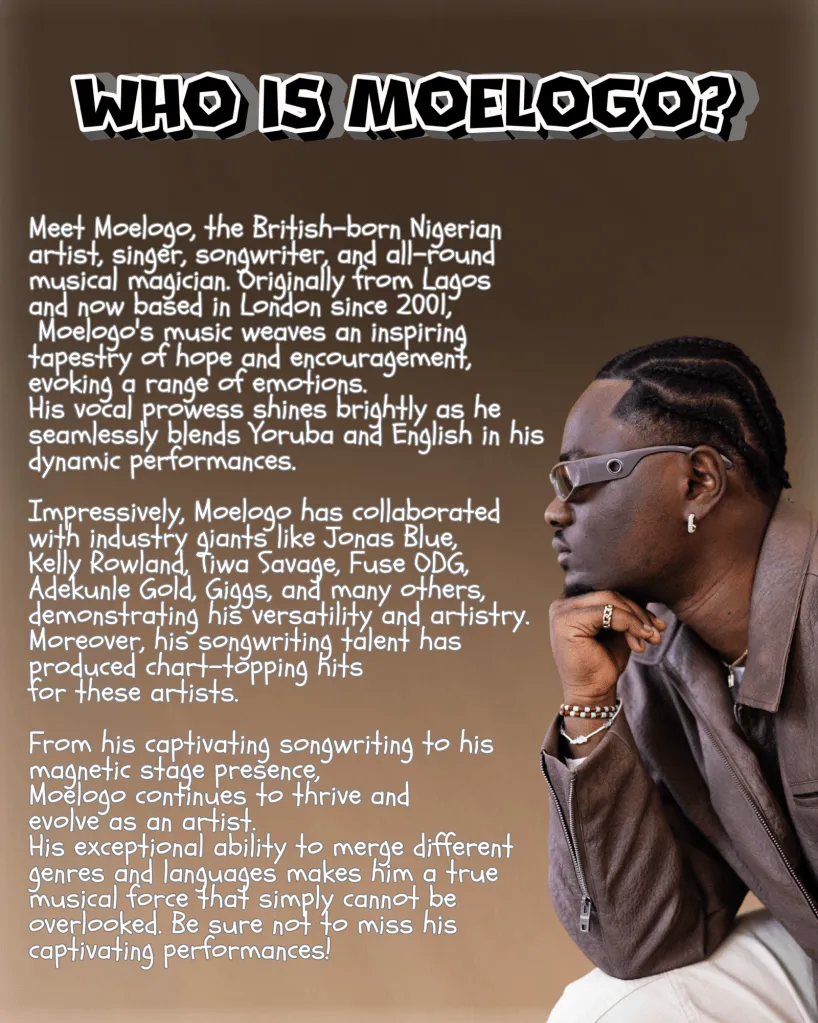
From Lagos to London, your journey spans continents and cultures. What are some of your earliest memories tied to music, and how did your Nigerian roots shape your sound?
Some of my earliest memories of music are from Lagos, church choirs, street sounds, family parties with Fuji and Highlife blaring through the speakers. Yoruba music, especially, was always in the air. When I moved to London, I carried those sounds with me. My roots gave me rhythm, soul, and storytelling. They’re the reason why no matter how far I go, the spirit of Naija is in everything I create
You’ve often been described as “a healer” through music. What moment in your early career made you realize music could be more than entertainment—it could be medicine?
When I dropped Ireti, I got messages from people telling me how songs like “Penkele” and others helped them through depression, heartbreak, and even loss. That shook me. I realised then – it’s deeper than vibes. Music can hold people up when they feel like falling. That’s when I knew I wasn’t just an artist – I was a vessel.
You’ve written for some of the biggest names in music—Tiwa Savage, Adekunle Gold, Kelly Rowland, and more. What does your writing process look like when creating for others versus for yourself?
Writing for others is like tailoring – you’re stitching their truth with your fabric. I tap into their emotions, their vision, and what they want to say. When I write for myself, it’s more raw, sometimes even spiritual. There’s less filter. I let my ancestors, pain, joy, and faith speak freely.
Emotion seems to be your true language. Who or what taught you to be so in tune with feeling, and how do you channel that into your music?
Life. I’ve felt pain that forced me to listen to silence. I’ve loved deeply, lost people, and prayed my way out of dark places. Growing up in two cultures taught me sensitivity – to people, to energy. When I sing, I don’t just want to sound good- I want you to feel seen. That’s where the healing begins.
You’ve been nominated and awarded by respected platforms like the Headies and MOBOs. How do these accolades connect with your personal definition of success?
I appreciate them, for real- they’re recognition from the world. But success to me is impact. If one person listens to a song and decides not to give up, that’s a bigger win. Awards come and go, but the lives you touch? That stays.

Collaboration has been a huge part of your journey. What’s one unforgettable studio experience that reminded you of the power of creative connection?
One session with Adekunle Gold still gives me chills. We weren’t even trying to make a hit- we were just speaking truth and vibing. The synergy, the laughter, the depth… it reminded me that when the energy is right, music writes itself. It’s a spiritual exchange, not just a business move.
Navigating the UK music industry as a Nigerian artist must’ve had its highs and challenges. How has this dual identity shaped you musically and personally?
It made me a bridge. I’ve learned to stand strong in my identity while navigating a system that didn’t always understand it. Being Nigerian in the UK taught me resilience, and being in the UK made me understand versatility. I’ve become more fearless and more intentional because of that balance.
WHERE HE’S GOING TO
“Music as medicine” is a powerful mission. How do you stay spiritually and emotionally grounded while creating healing sounds for others?
I protect my peace. I pray, I journal, I take time off when I need to. I’m constantly checking in with myself. Because to heal others, I have to first stay aligned. I don’t rush music. I let it come through me when the time is right.