TALK TO US / interview / 2025-10-25T21:22:55+01:00 · RADARCharts by REM
TALK TO US SPECIAL: TREEPS.
From his breakout single Wicked Whyne to his latest sound evolution, Treeps has steadily carved a name for himself in the Afro-fusion scene. Born Nelson Ezeagbor, the Lagos-based artist combines Afrobeat, soul, and conte
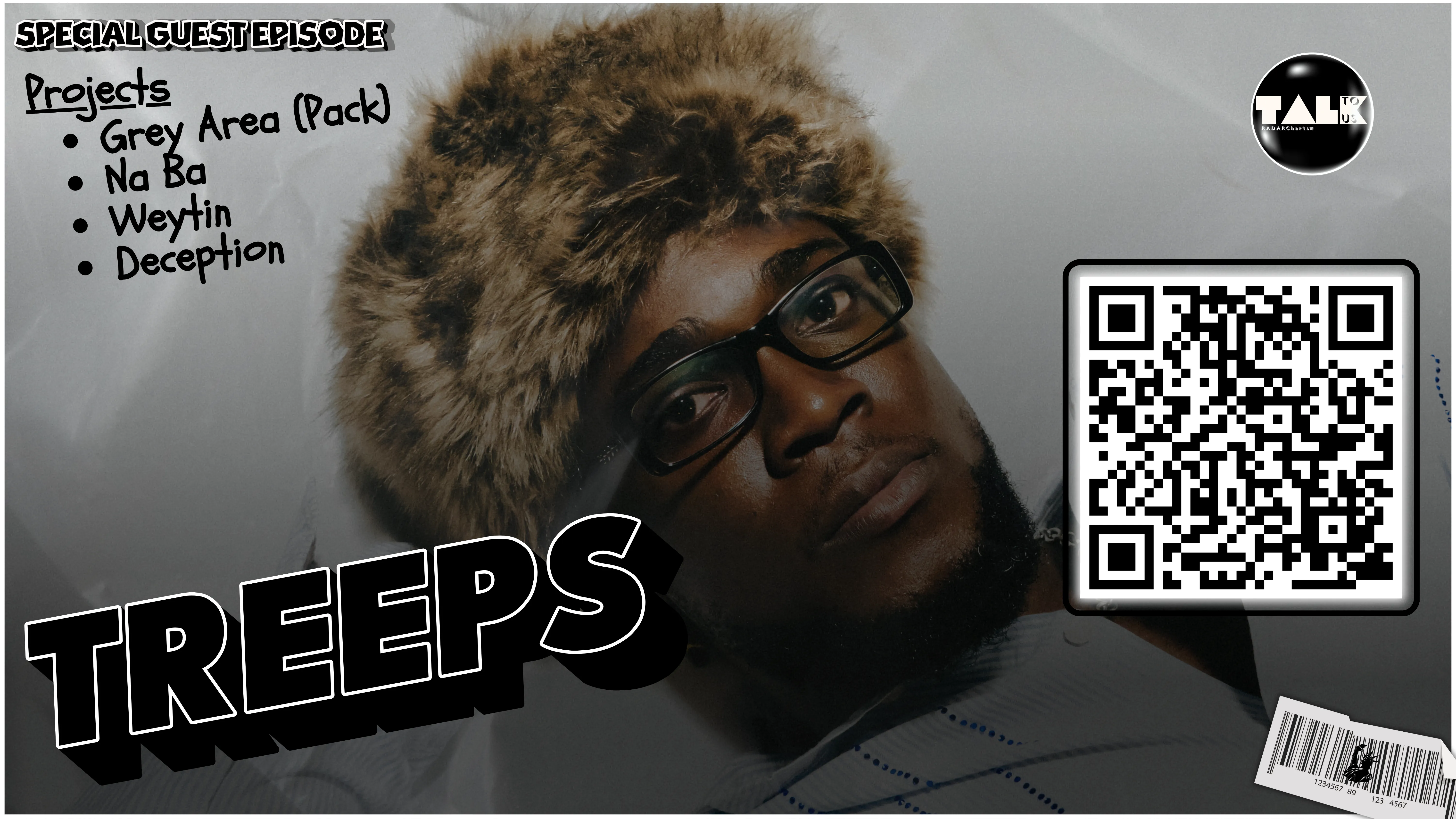 TALK TO US SPECIAL: TREEPS
The update
Ahead of his upcoming two-single release, “Grey Area: Scene 1 & Scene 2,” and his next EP, RADARCharts caught up with Treeps for an exclusive TALK TO US session — a deep dive into his roots, his rise, and his next move.
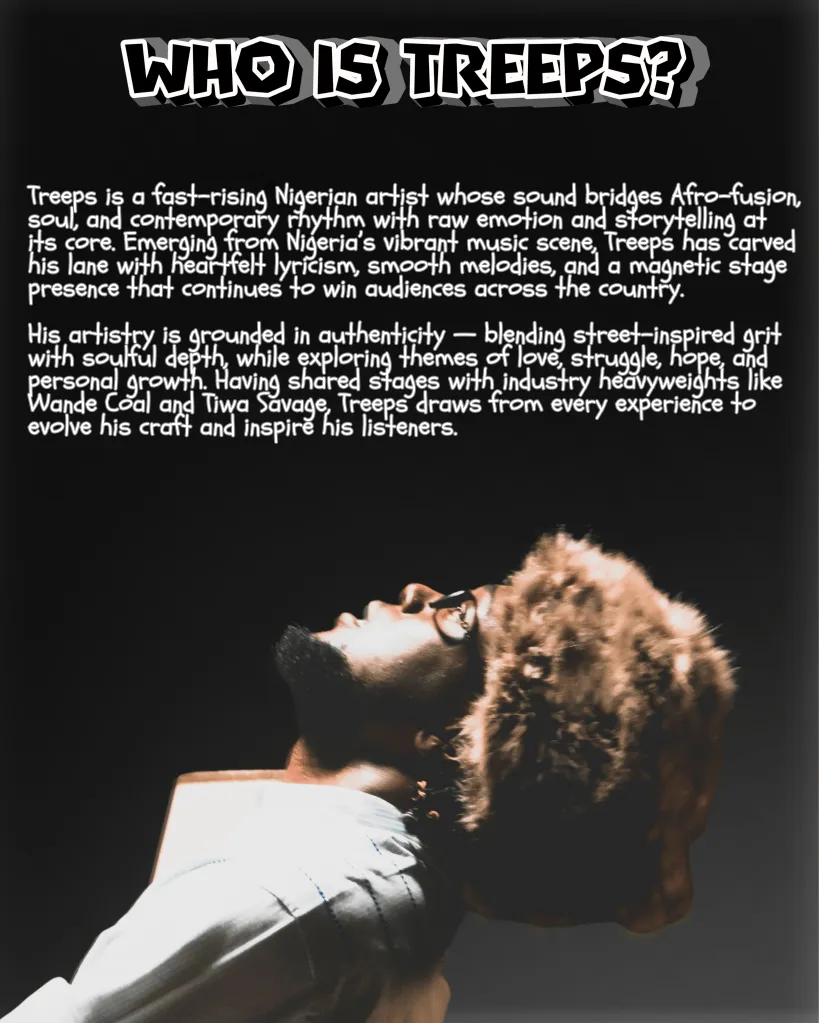
WHERE HE COMES FROM
You started your solo journey officially in 2019 with Wicked Whyne. How did your early beginnings and upbringing shape the artist we know today as Treeps?
Growing up in ojuelegba, surulere, from an early age, I was surrounded by the sounds of the streets Fuji, Highlife, R&B, Afrobeats, the daily hustle, the traffic, the distant calls of hawkers, all of that was music to me. But beyond the sound, it was the spirit of survival and creativity in unlikely places that formed the foundation of Treeps. There’s a beauty in simplicity, in struggle, in making something out of almost nothing, and that’s where my artistry was born.
Afro-fusion is such a broad and evolving sound. Who were the biggest influences that helped shape your sonic direction in the early stages of your career?
There are quite a number of them talking about Duncan mighty, ABBA, ASA, Bright chimezie, and djniee. Just to mention a few
You’ve worked with names like Sesan, Barobeatz, and opened for Ayra Starr and Cheque at Beat Naija FM’s concert. What did those early experiences teach you about stage presence and musical identity?
Those early experiences taught me how to command attention, stay authentic on stage, and define my sound. Opening for big names pushed me to connect with the crowd and sharpen my musical identity under pressure. Now i can say i’m better at it
You’ve described music as “an escape route” in your Guardian interview. Can you expand on that — what does music help you express or release that words alone can’t?
Sure, when I called music an “escape route,” I meant that it let me express things I can’t always say with words. Sometimes emotions are too big, too messy, or too layered to explain, but music makes room for all of that.
Each of your songs — from Craze to Deception — feels emotionally charged and rhythmically layered. How do you approach storytelling through your songwriting?
To be honest, I won’t necessarily say there’s a template, i just follow what the SPIRITs whisper to me.
Nigeria’s music scene is incredibly competitive. What challenges did you face breaking through as an independent Afro-fusion artist, and how did you overcome them?
As an independent artist, I don’t have the luxury of a big PR machine or massive funding. I am building my audience one person at a time, and we’ll get there with my current partnership with Music Dome Ent. Expect so much more than before.
Before we jump into what’s next, give a special shoutout or prayer to your supporters who’ve been on this journey with you from day one.
I don’t take any stream, post, or share for granted. Genuinely, it means everything to me because it draws me closer to the goal, and i’m ever grateful about that.
WHERE HE’S GOING TO
Your upcoming double single, Grey Area: Scene 1 & Scene 2, sounds like a conceptual project. Can you tell us what inspired it and what story it aims to tell?
Grey Area: Scene 1 & Scene 2 is definitely a conceptual project. It was inspired by that emotional in-between space the “grey area” where things aren’t black or white, right or wrong, love or hate. It’s about the moments when you’re stuck between decisions, emotions, or people, and nothing feels certain. I call it the introduction into the new SOUNDSCAPE.
You’ve consistently evolved sonically from Wicked Whyne to No Yawa and OMF (The Convrstn). What’s your creative process like when experimenting with new sounds?
For me, I would say I engage my core sounds, which is afrobeats, highlife, i call the combination ( Hiplife) lol, R&B & soul, and moods that inspire me in the moment. I collaborate with producers, play around with melodies, and let the vibe guide the direction. It’s all about staying open, experimenting, and letting the music grow naturally.
You’ve performed alongside giants like Wande Coal and Tiwa Savage. How do collaborations and live experiences shape your vision for future projects?
Performing alongside legends like Wande Coal and Tiwa Savage has been a masterclass in artistry. I learn from every situation and opportunity I find myself in — how the greats move, create, and connect. These experiences push me to expand my creative boundaries and infuse new energy into everything I work on next.
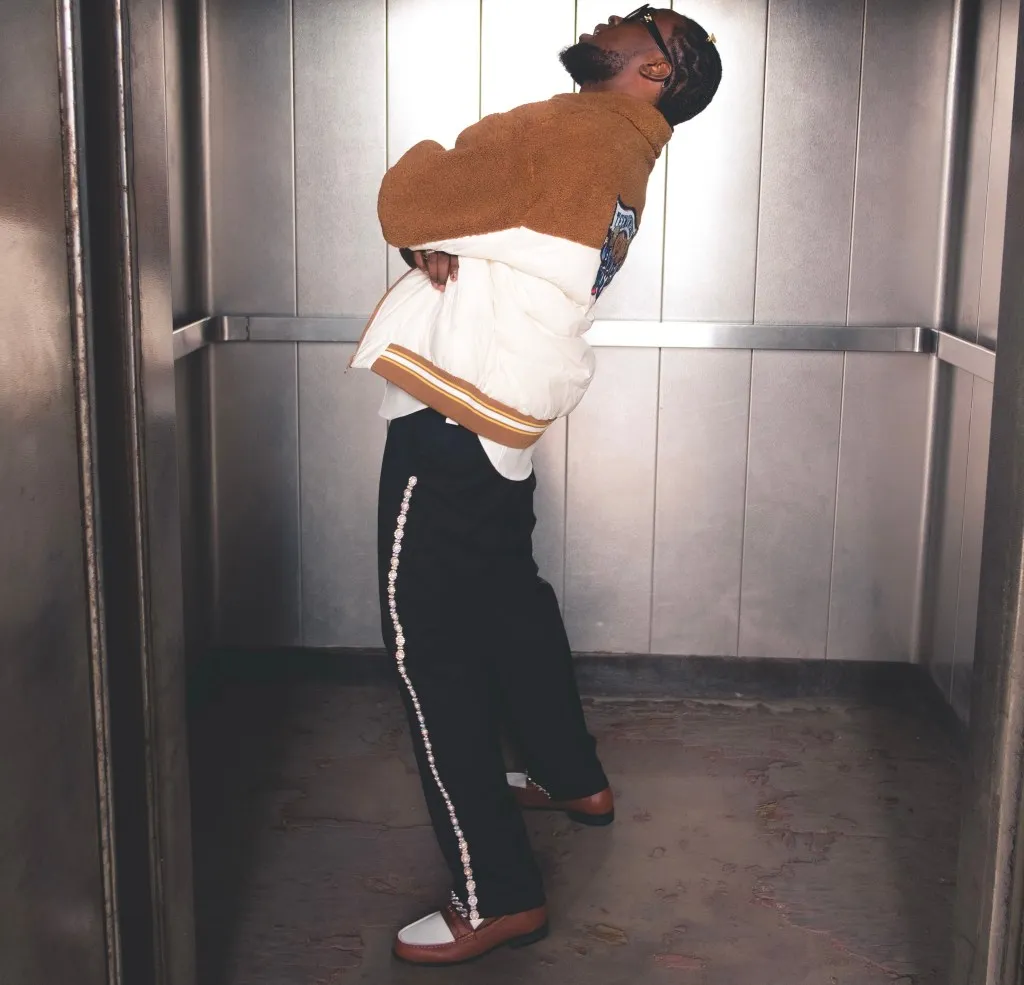
The Afrobeat and Afro-fusion wave is dominating globally. How do you plan to position Treeps on the international stage while staying rooted in your Nigerian essence?
The global spotlight on Afrobeat and Afro-fusion isn’t just a trend — it’s a cultural movement built on rhythm, soul, and storytelling. For me, the mission isn’t to blend in, but to stand out. My melodies, my vibe, my storytelling — they all carry a distinct identity.
My positioning begins with authenticity. The world already looks to Africa for what’s raw and real. I don’t need to dilute my Nigerian essence; I just have to amplify it with truth and creativity.
You’ve built a strong visual identity through your videos — from Deception to No Yawa. How important are visuals to your storytelling and artistic message?
Visuals are everything to my storytelling because they extend the message beyond sound. They don’t just support the narrative — they amplify it. A visual can express tone, emotion, and atmosphere in ways lyrics alone can’t. Every shot, every colour, every frame is intentional — designed to deepen the connection between my music and the people watching.
Instagram embed preserved as a safe link: View the original post on Instagram